Designing a Scalable Citizen Wallet for Government Benefit Disbursement
Designing a modular framework for secure, inclusive government benefit disbursement at scale.
Project
Lead UX Researcher & Framework Designer
Role
Working with Visa Government Solutions, I led research and design to explore how global payment infrastructure could better serve vulnerable populations receiving social benefits.
Context: The Last‑Mile Problem in Government Benefits
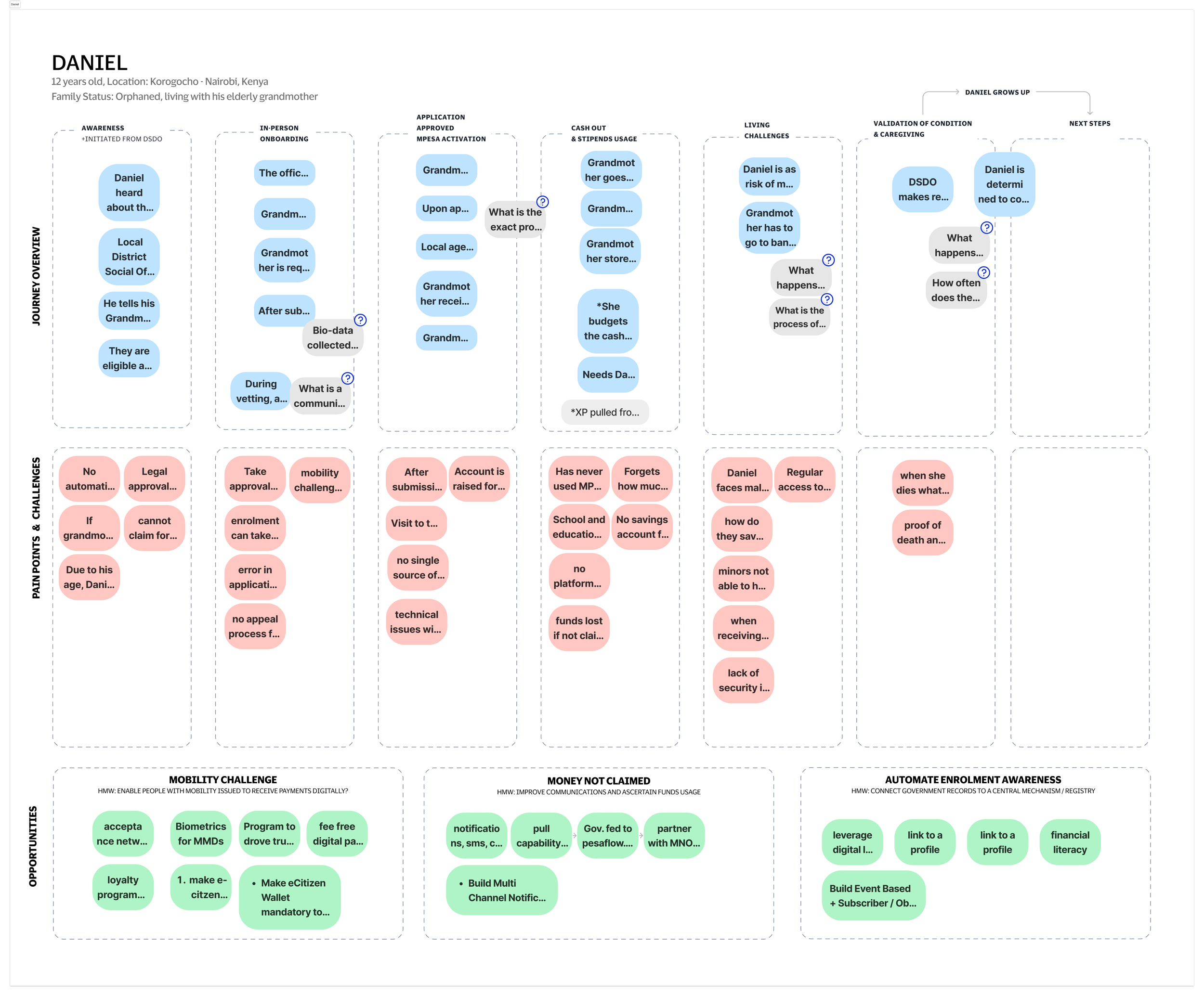
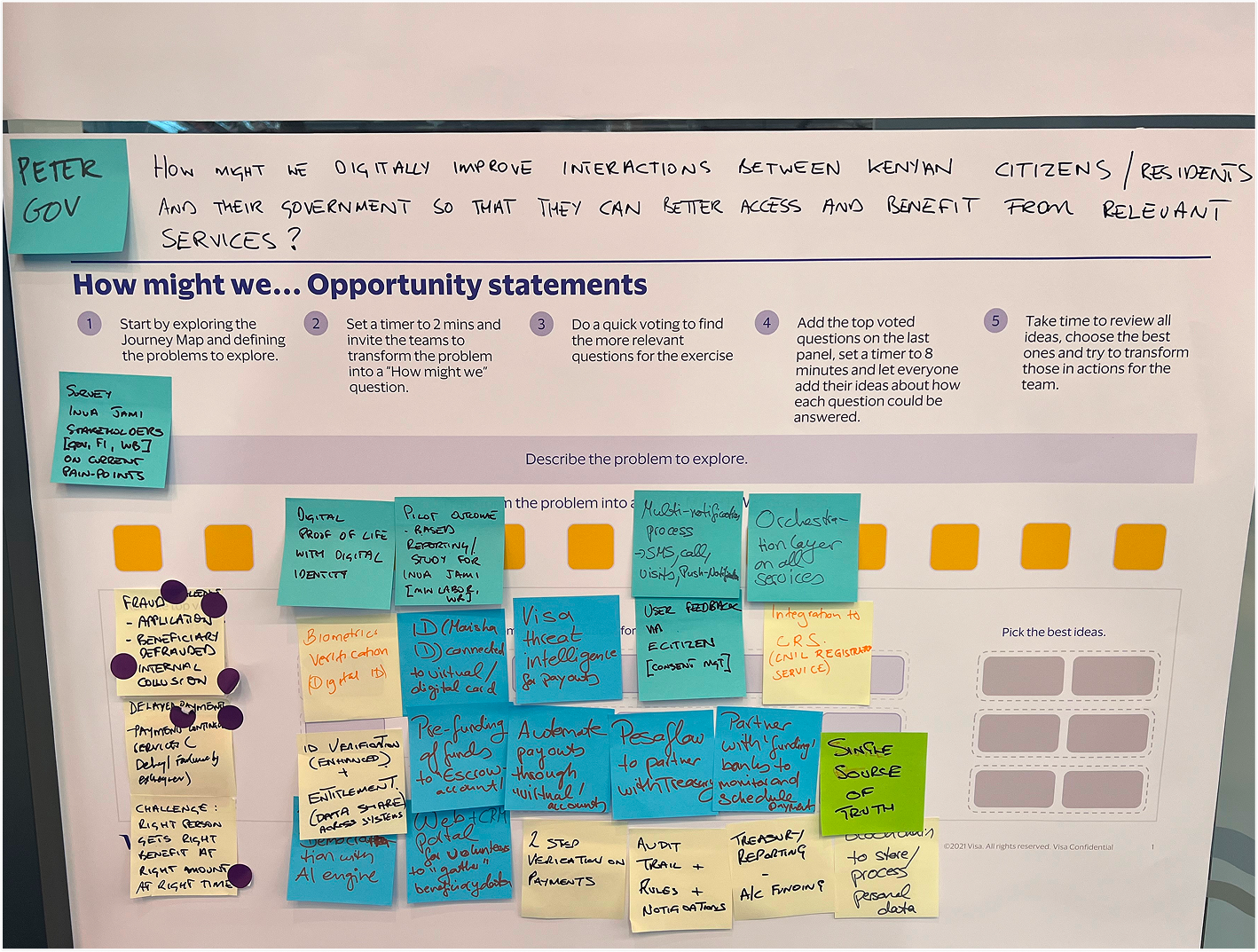
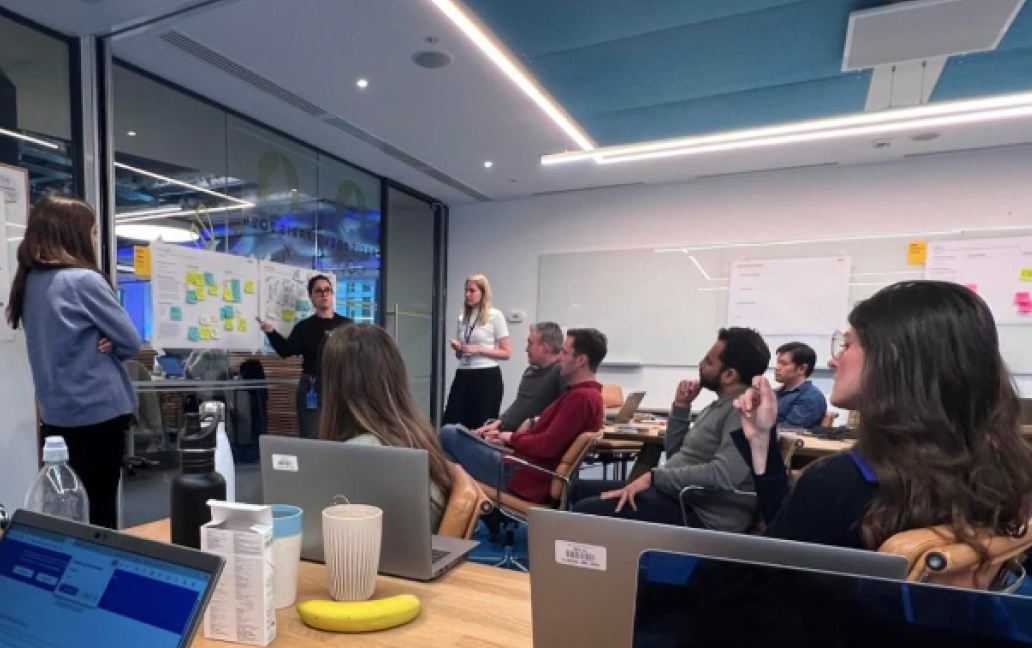
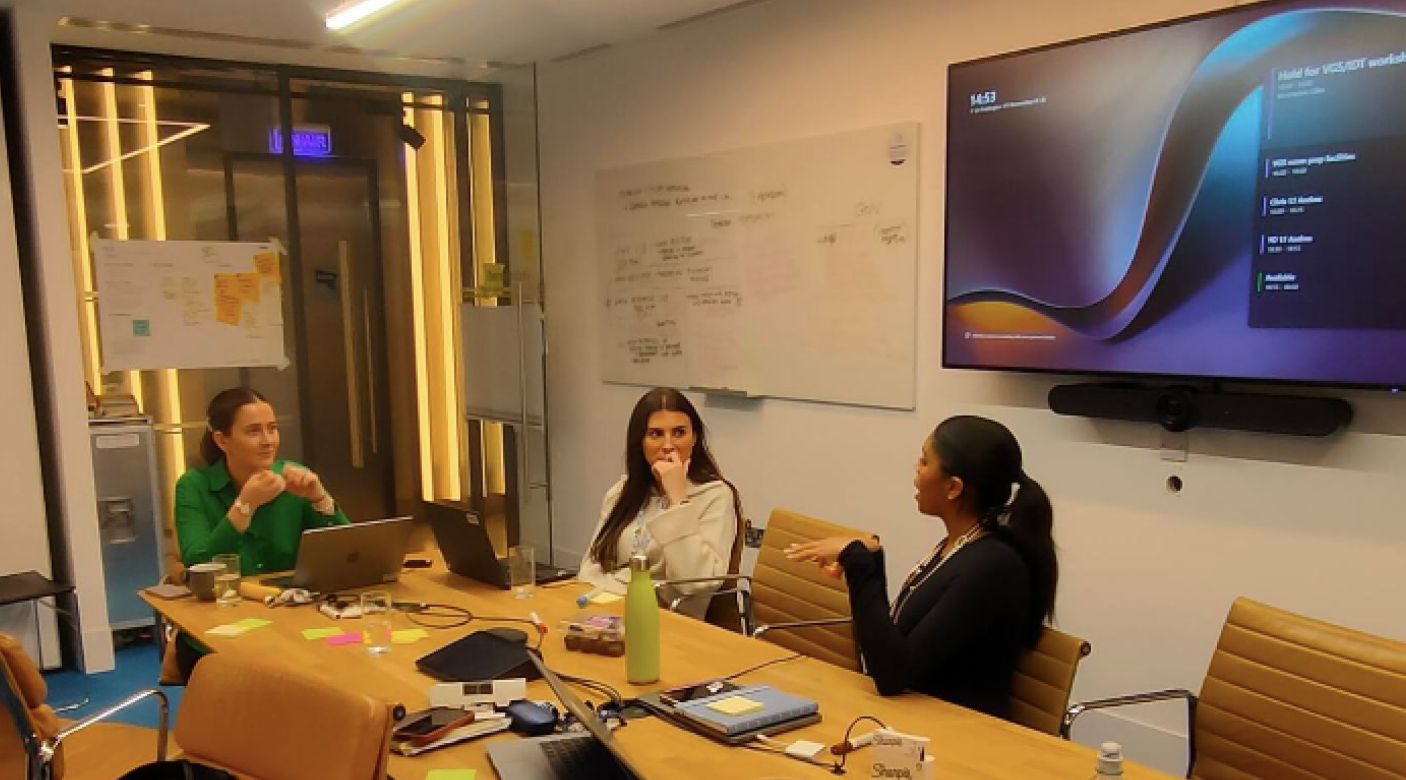
The project began with a multi‑day discovery workshop with a government delegation from Pesaflow, focused on Kenya’s Inua Jamii 70+ pension program.
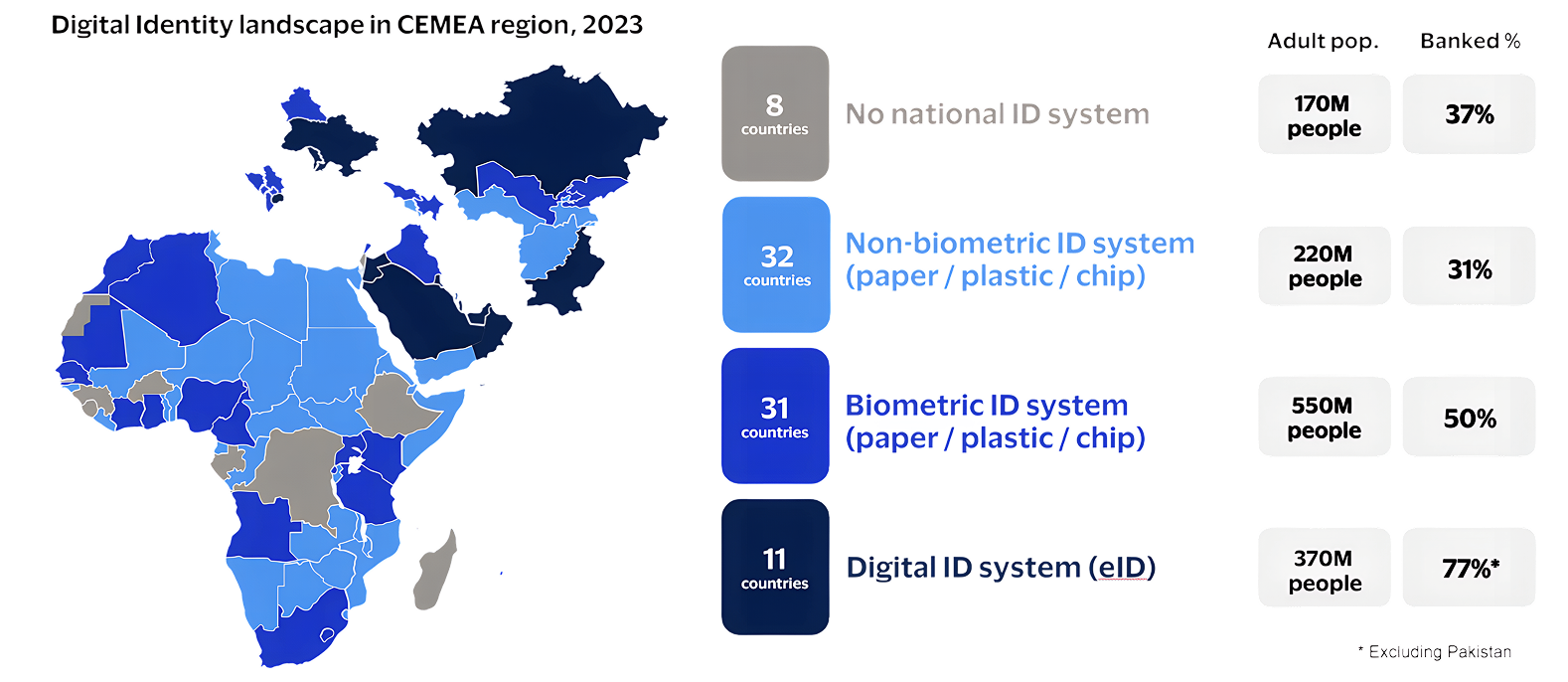
While the program functioned at pilot scale, expanding it nationally - and globally - exposed deep “last‑mile” challenges where digital systems met physical reality.
Our goal evolved from solving a single local problem to designing a repeatable, modular framework that governments could adapt across markets with very different levels of infrastructure maturity.
The Challenges: High-Stakes Constraints
Field research and beneficiary interviews revealed that the biggest barriers were not interface usability, but systemic and environmental constraints:
The "Transport Tax"
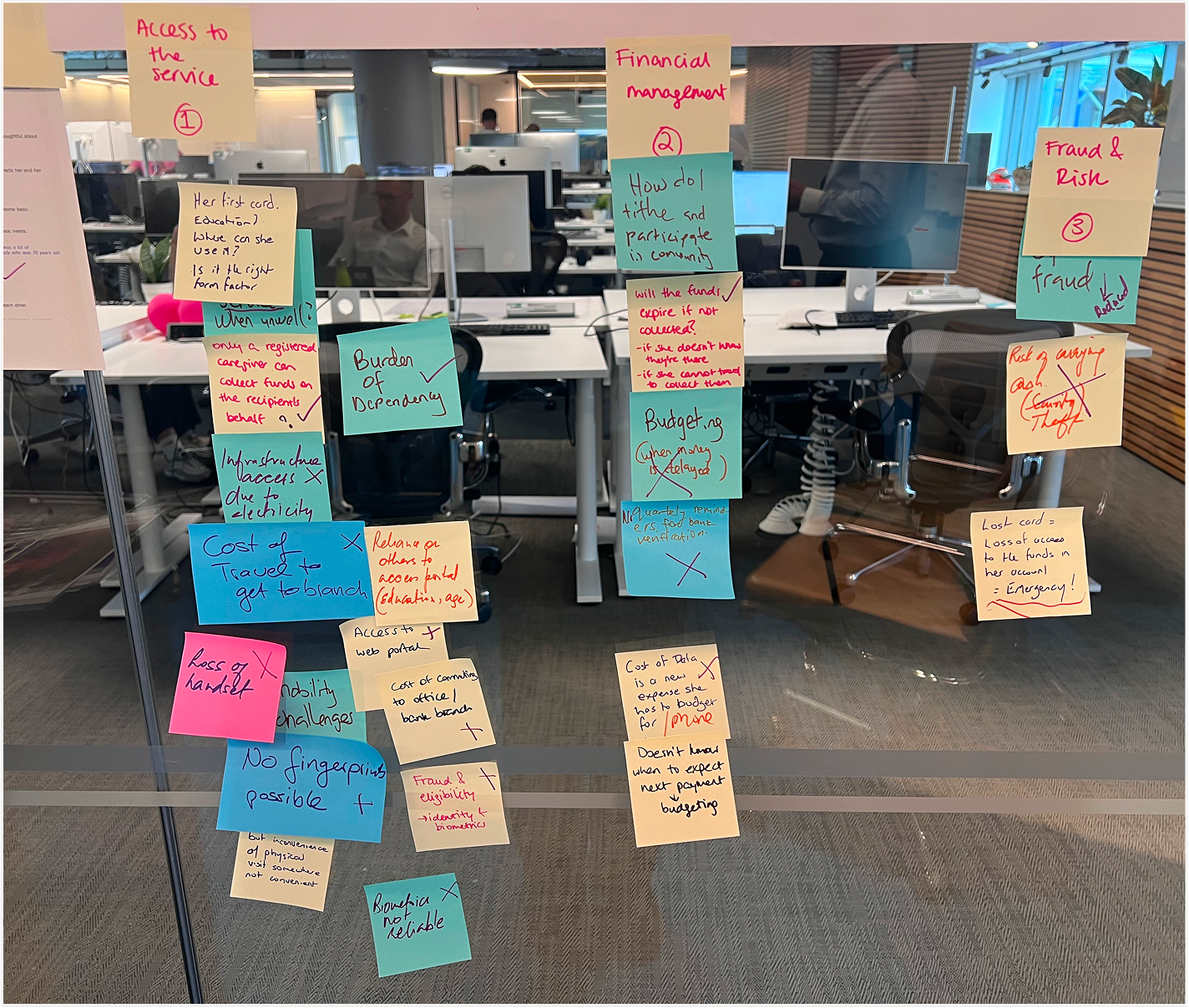
Beneficiaries - often elderly or disabled - were required to make repeated physical journeys for registration, verification, corrections, and cash collection. Missed registration cycles could lock people out of benefits for years.
Theft & Personal Safety Risk
Cash‑based disbursement exposed beneficiaries to real danger, with documented cases of theft and assault after leaving banks with lump‑sum payments.
Silence as a System Failure
After registration, beneficiaries frequently experienced months of no communication about application status. This absence of information created anxiety, eroded trust in institutions, and drove unnecessary travel simply to “check if money had arrived.”
These findings reframed the problem: financial inclusion fails when systems assume mobility, safety, and certainty that vulnerable citizens do not have.
A Critical Realisation: Assisted‑Digital Already Exists
Research uncovered an informal but essential support layer operating beneath the official system:
Caregivers routinely managed phones, traveled on behalf of beneficiaries, and handled cash collection.
Community volunteers and local leaders acted as notification hubs, dispute mediators, and trust brokers.
This work was already happening, but without tooling, safeguards, or accountability. Rather than designing around an idealised “independent user,” the framework needed to formalise and protect assisted‑digital participation as a first‑class pathway.
Cross‑Market Analysis: What Scales Globally
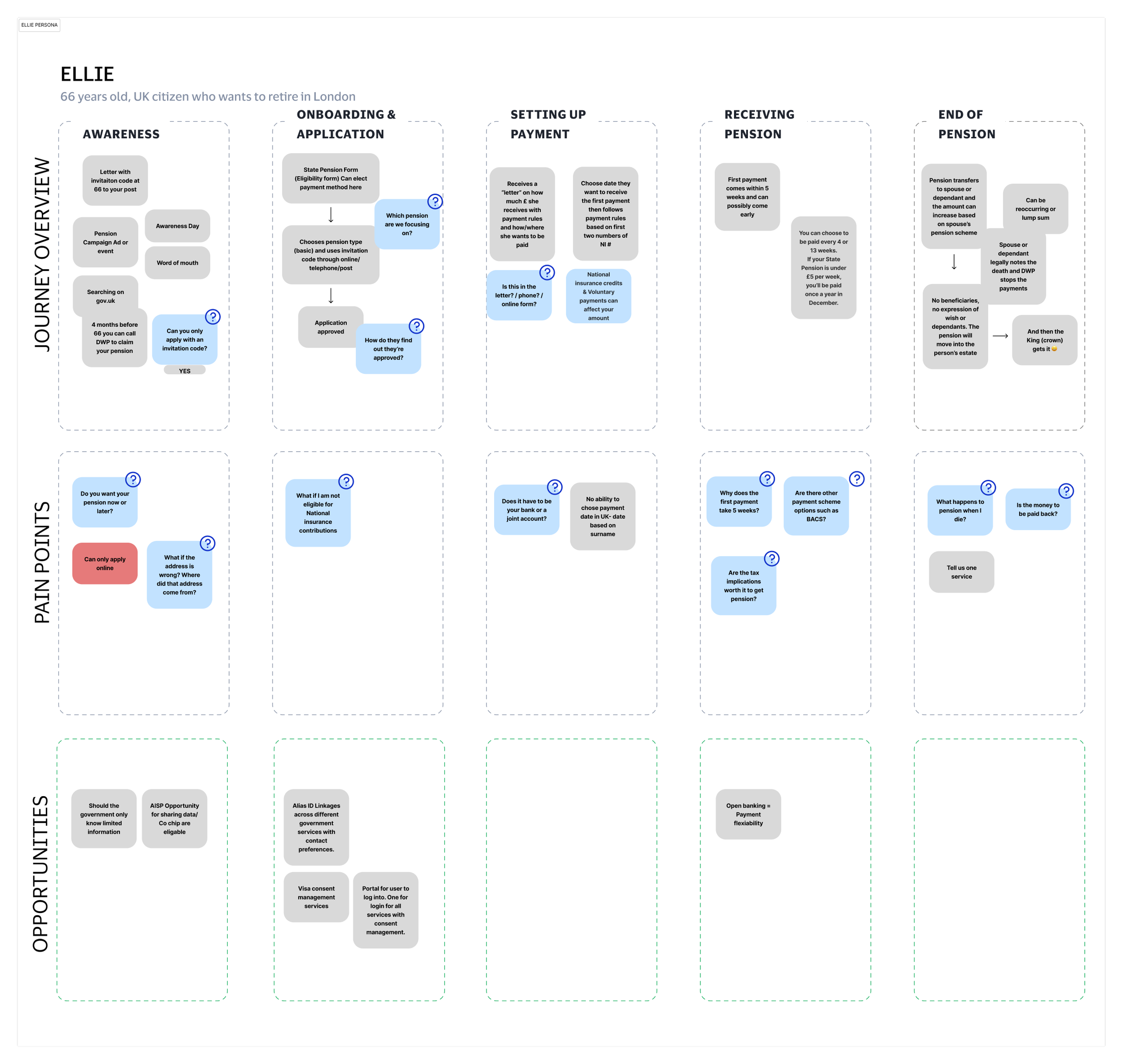
To avoid designing a Kenya‑specific solution, I analysed these findings against public‑sector benefit systems in more mature digital markets.
Despite differences in infrastructure, the core human needs were consistent:
Radical Transparency — Citizens need clear, reliable visibility into fund status to plan their lives and feel safe traveling.
Low‑Friction Verification — Integrity checks must protect programs without physically overburdening beneficiaries.
Flexible Participation Models — Systems must support assisted and alternative access, not just self‑service digital flows.
These insights became the foundation for a globally adaptable design framework, rather than a single product
The Solution: A Modular "Citizen Wallet" Framework
To bridge the gap between digital rails and these physical realities, I designed a modular framework that can be configured for different markets.
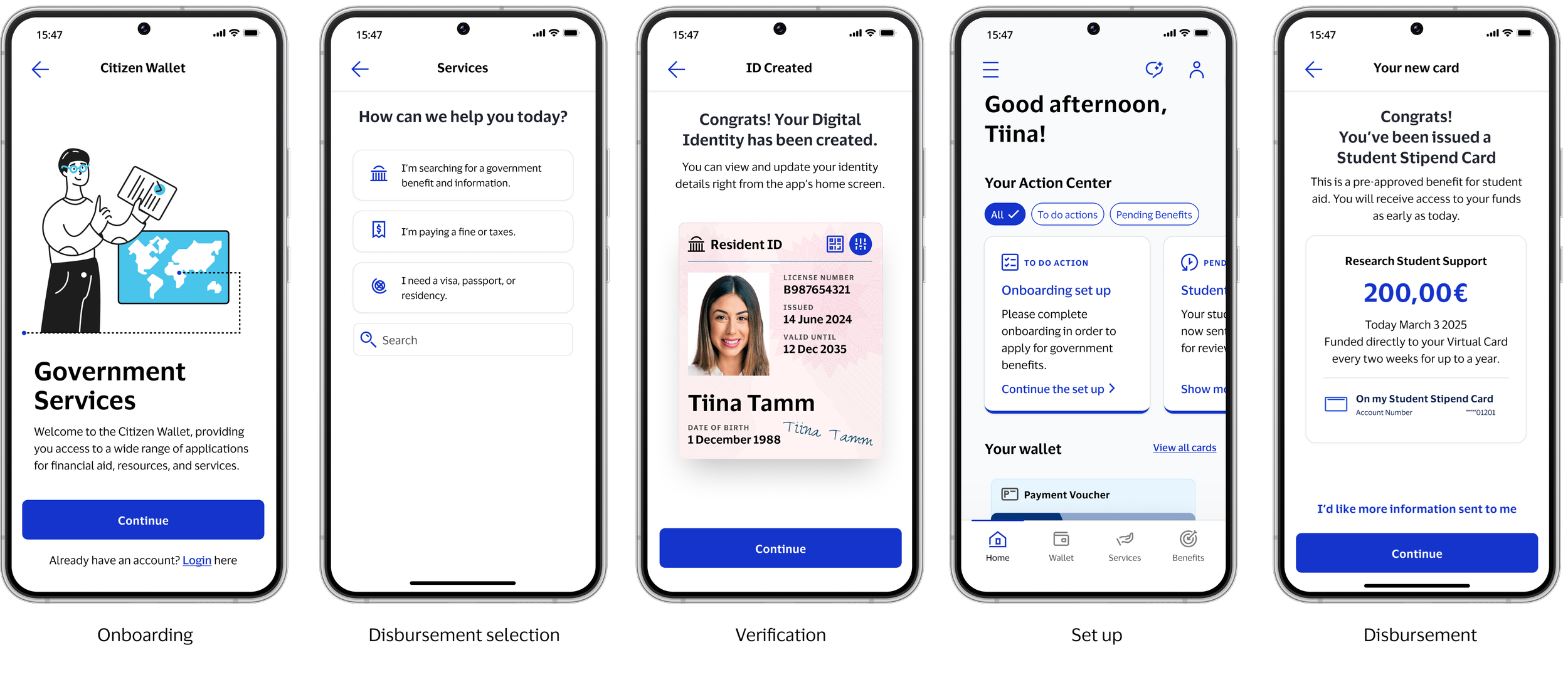
Multi‑Channel, Assisted Onboarding
Assisted‑digital for users without smartphones, ID, or mobility
Alternative identity and in‑person verification
Caregivers and community agents as supported roles
Resilient Notification Architecture
Prioritises status updates that do not depend on constant data access
Ensures beneficiaries know funds have arrived before they travel
Reduces anxiety, wasted journeys, and physical risk
Secure, Staggered Disbursement
Holds funds securely in a digital environment instead of forcing cash withdrawal
Enables smaller, safer transactions rather than risky lump sums
Improves personal safety while preserving user control
Integrated Benefit Issuance
Allows verified citizens to apply for and receive additional benefits directly in the wallet
Reduces re‑verification friction across programs
Creates a reusable government‑to‑citizen distribution layer
Impact & Outcome
Global Scalability
The work evolved from a local Kenyan case study into a Global Visa Blueprint for citizen wallets.
Stakeholder Alignment
Aligned government and Visa stakeholders around a model that balanced program integrity, fraud prevention, and human safety.
Strategic Foundation
Established a design standard for how Visa approaches benefit systems across regions with varying digital maturity.